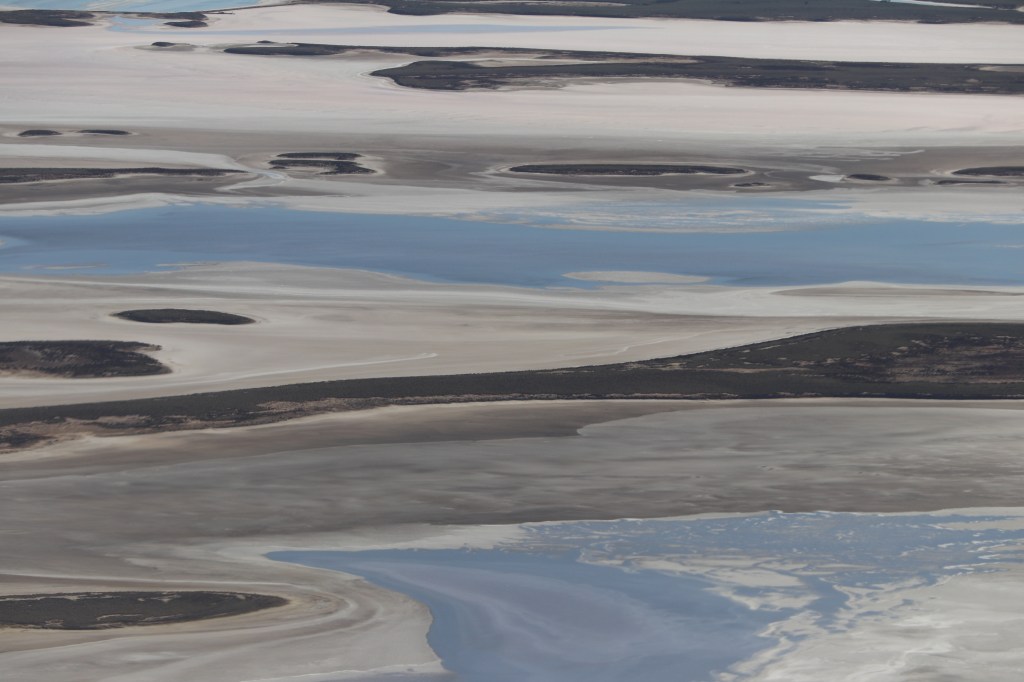
Blue. It’s the colour of the sky when the day is bright, the colour of the sea in the sunshine. Blue exists in the soft light that stretches between green and violet, a bridge between vibrancy and depth. It’s the colour of light dancing on water, of a clear horizon at dawn. But blue is also the colour of my mood, of days that linger heavy on the heart—blue days, where the world feels muted, wrapped in a shroud of quiet sadness.
In Australia, True Blue speaks to something deeply woven into the fabric of our identity. It’s a phrase that’s lived many lives—first, a symbol of staunch loyalty in British history, and later, a marker of rugged Australian spirit. To be True Blue here once meant to stand firm with workers, to be unwavering in solidarity, to carry the weight of union values with pride. Yet, even as it resonates with national pride, this blue carries within it a history of contradictions, a loyalty that has been both noble and divisive.
Blue is a colour assigned to boys, a shade that has traversed time from the delicate to the definitive. Once, blue was a girl’s colour, chosen for its softness, its dainty quality, while pink, bold and strong, was the colour of boys. But as the tides of fashion and culture shifted, so too did the meanings of these colours. Pink became the hue of romance, of softness, of femininity, while blue hardened into a symbol of masculinity. We’ve drawn these lines in the sand, colouring our children’s worlds with expectations and norms, only to find ourselves back where we began—trapped in a binary that limits rather than liberates.
Blue is the colour of uniforms, the crisp lines of authority, the flashing lights that cut through the night. It’s a colour meant to inspire trust, to calm, to assure us that order will be kept. But blue is also the colour of fear, of the coldness that settles in your bones when the world turns against you. Blue is the colour of the tears that streak down your face, the bruises that bloom on skin. Blue is not just a colour; it’s an experience, a feeling, a memory.
Blue is the colour of your eyes, the eyes that sparkled with life and laughter. It’s the colour of the places you love, of the sky that stretches above us, of the water that laps at the shore. Blue was the colour of the nail polish I gave you, a small token of affection that now feels like a relic of another time. Blue was the colour I wore to the first court hearing, a shade that once felt comforting but soon became too soft, too yielding. In that room, I needed to be strong, resolute, unyielding. But blue—blue is the colour of boys, and boys are soft, calm, gentle. Yet in this world, that gentleness is often mistaken for weakness, and that softness becomes a target.
Men cry too. They should. They must. We should tell them that it’s okay to shed tears, to feel pain, to be vulnerable. I remember the mother who told me her son was on the edge, planning to take his own life because the world had convinced him he was a bad person. And all the while, the system—our system—stood by, indifferent, failing those who needed its protection the most.
We’ve stood together in courtrooms, fought for a right to be heard, to be seen as more than just a colour – a boy. Yet, even as the truth emerged, the damage was done—life turned upside down. The system that should have protected failed, leaving us questioning everything we thought we knew about justice, about fairness, about the world we live in.
Men are blue—soft, calm, gentle. But they are also strong, resilient, deserving of the same compassion and support that we offer to others. If we are to truly address gendered violence, we must include men in the conversation. We must acknowledge their pain, their struggles, and their right to be heard. Blue is not just a colour; it’s a story, a life, a truth that deserves to be told.
Eye spy with my little eye, something the colour blue.
 Day-Blind Star
Leave a comment